What is the difference between standard definition, high definition, and 4K?
Standard, High, or Ultra High Definition refers to video resolution, or the image quality of the picture on your television.
Standard Definition (SD) refers to the resolution of basic cable channels, or a DVD. TV channels broadcast SD feeds in 480p. The number refers to how many rows of pixels make up the image.
High Definition (HD) is a higher quality image with more visible detail in the picture, such as on HD channels or Blu-Ray discs. TV channels broadcast HD feeds in either 720p or 1080i.
4K, or Ultra High Definition (UHD), offers four times the resolution and a greater range and depth of color than HD. No terrestrial TV channels currently broadcast in 4K/UHD. You can find 4K video via online streaming platforms such as Amazon Prime, Netflix, or YouTube. Services such as these would display the resolution as 2160p.
What 4K equipment does Blue Ridge offer?
New and existing customers can access 4K content with Blue Ridge Stream via the included apps.
Please note that to view 4K content, you’ll also need a 4K TV and a high-speed internet connection. We recommend an internet plan that includes up to 200 Mbps or higher if you plan to stream 4K video.
You’ll need to connect your Stream device to your 4K TV using a high-speed HDMI cable.
Blue Ridge Stream
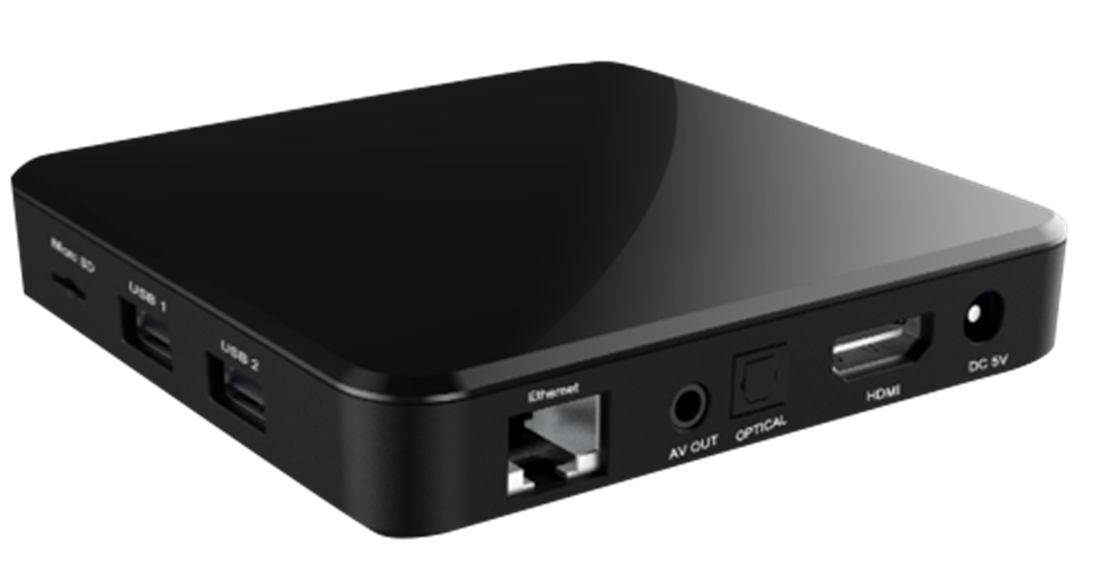
Back/Side of Blue Ridge Stream
What 4K content can I watch?
No TV channels currently broadcast in 4K/UHD. However, you can watch 4K movies and TV shows via streaming services and apps that support 4K video, such as Netflix, Amazon Prime Video, and YouTube. Subscription or purchase may be required.